Reputable Maine Coon Breeder in Arizona
Solstice Maine Coons
Ethically bred in Queen Creek, Arizona, our Maine Coon kittens are raised in-home with a focus on health, temperament, and exceptional companionship.
TICA & CFA Registered Cattery
Temperament & Socialization Focused
Lifelong Breeder Support
Extensive Health Testing
Why families choose us
Breeding with integrity. Raising with intention.
Commitment to Excellence
We believe that a Maine Coon deserves a foundation of uncompromising health. We invest in essential health screening for every adult in our program, including comprehensive genetic panels, veterinary cardiac echocardiograms, and orthopedic hip grading.
Socialization
Our kittens are raised within the heart of our home, ensuring they are not just pets, but confident, well-adjusted companions. Through intentional socialization and exposure to daily life, we nurture the affectionate, curious temperament the breed is known for.
The Solstice Experience
Our commitment to your family begins long before your kitten arrives and continues for a lifetime. We provide regular updates, thoughtful guidance, and ongoing support so your journey with a Solstice Maine Coon feels as exceptional as the companion you welcome home.
Available Maine Coon Kittens
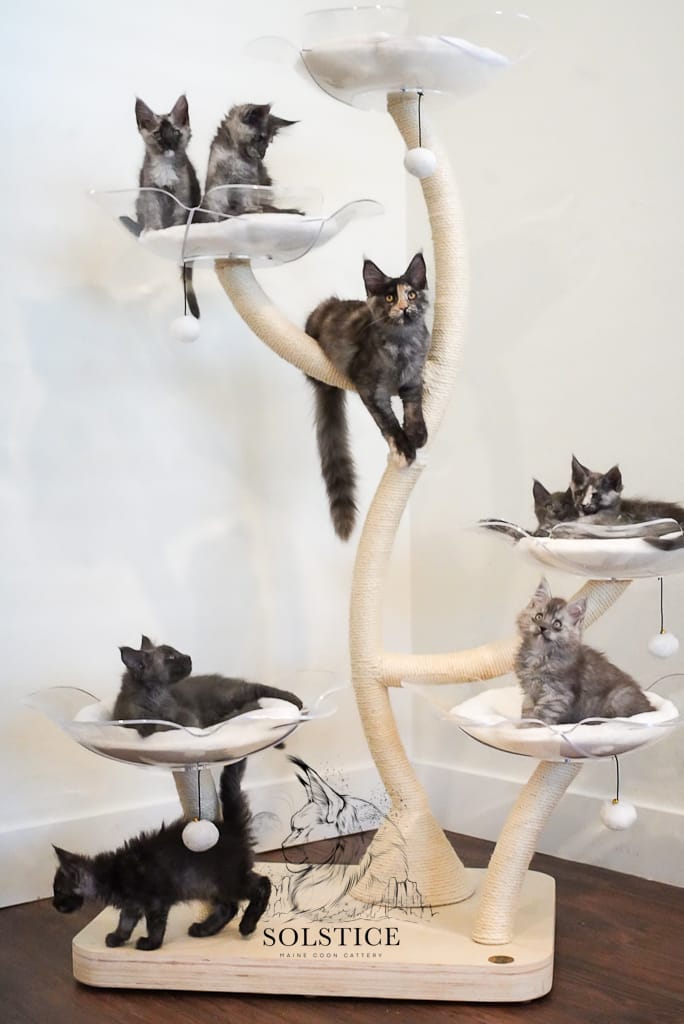
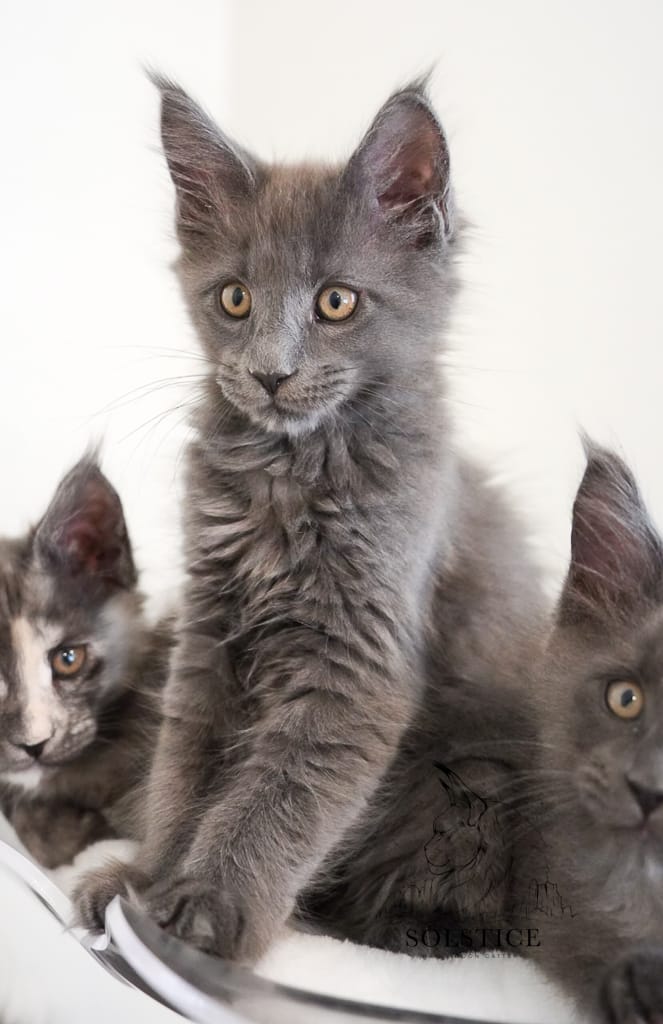
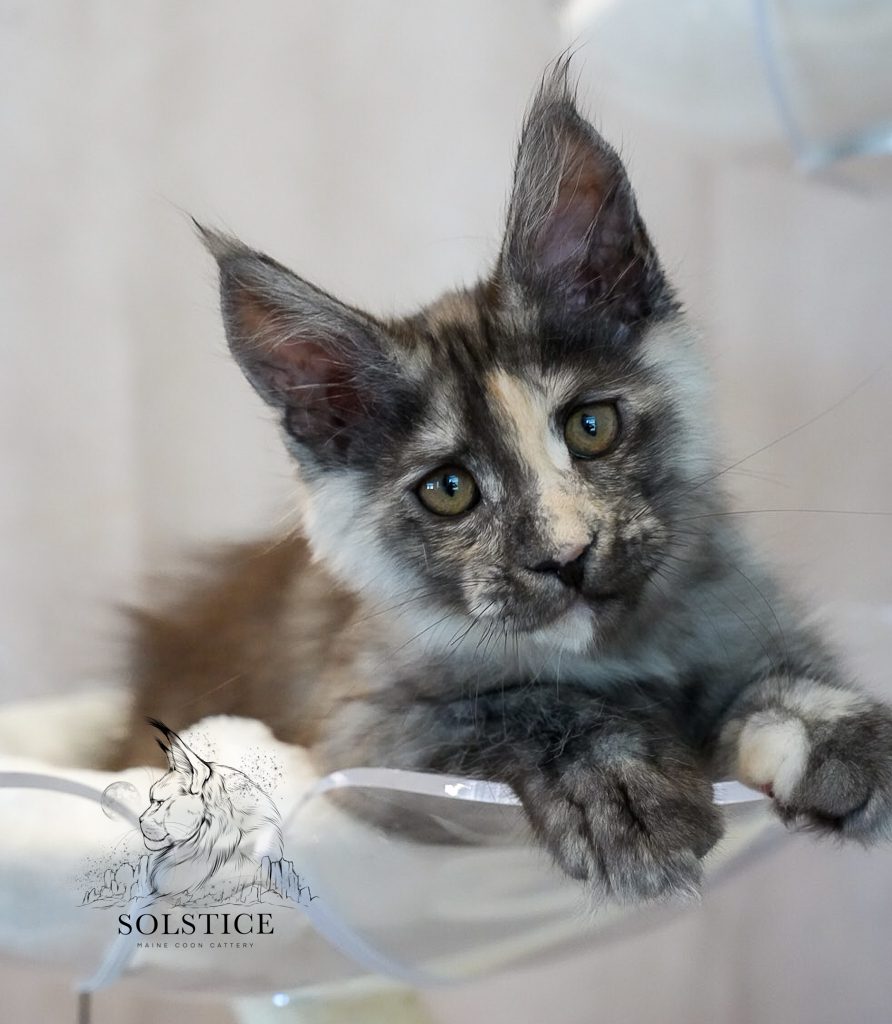
Meet the kittens currently growing with us.
Click “view kitten” to read full details and availability.

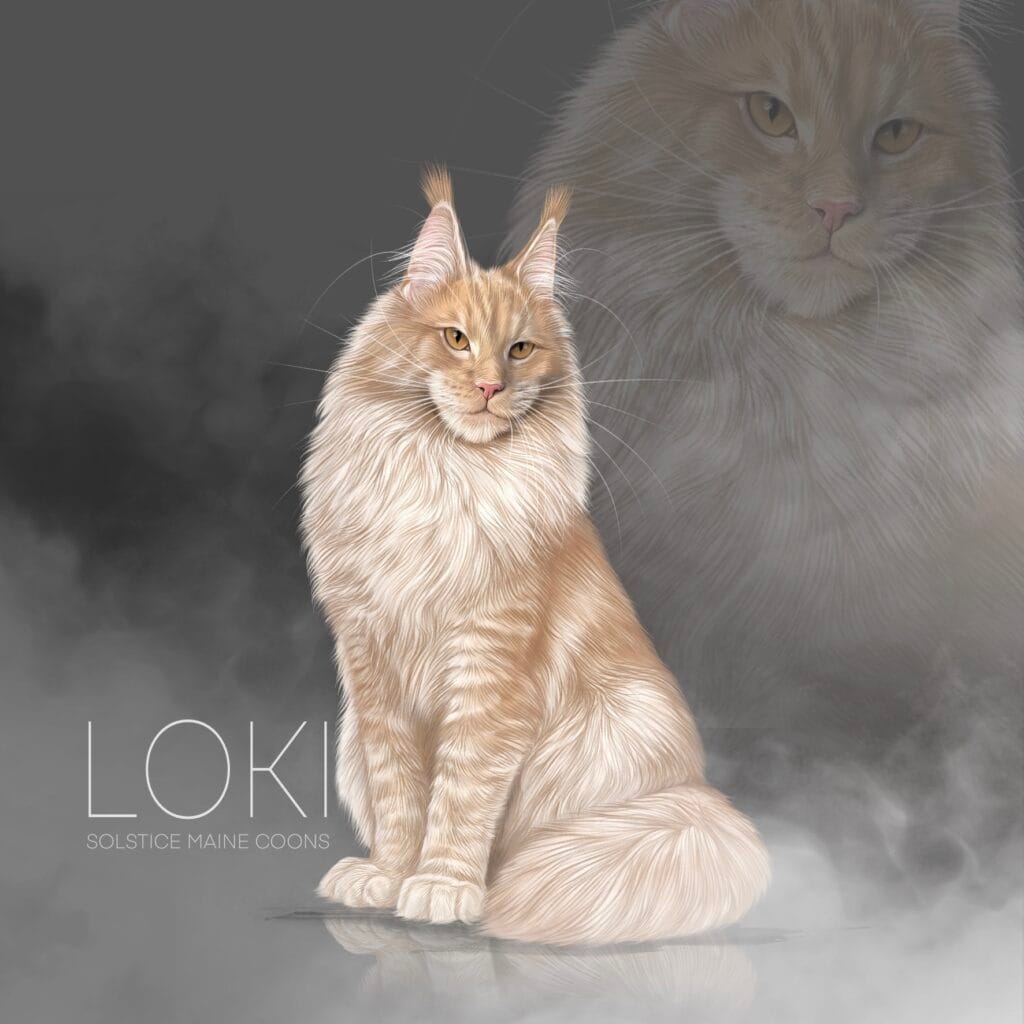
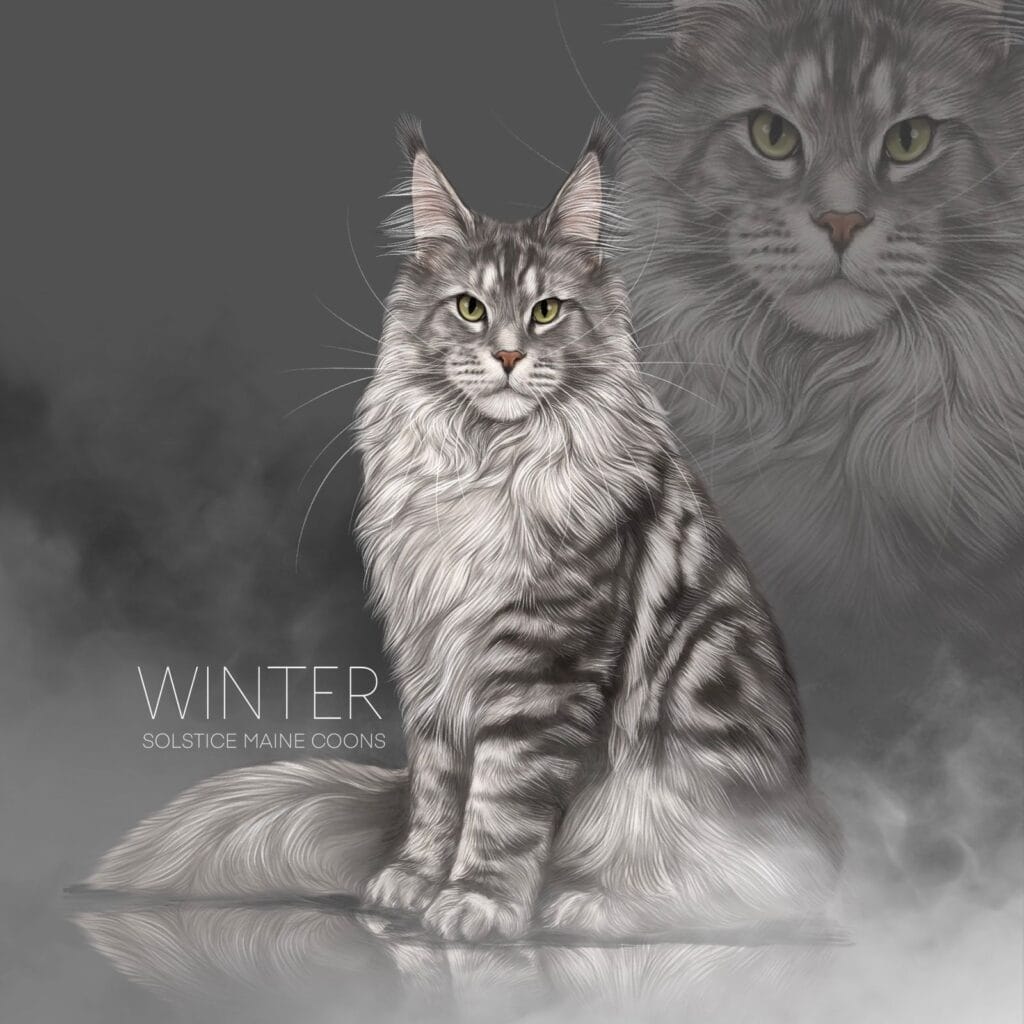
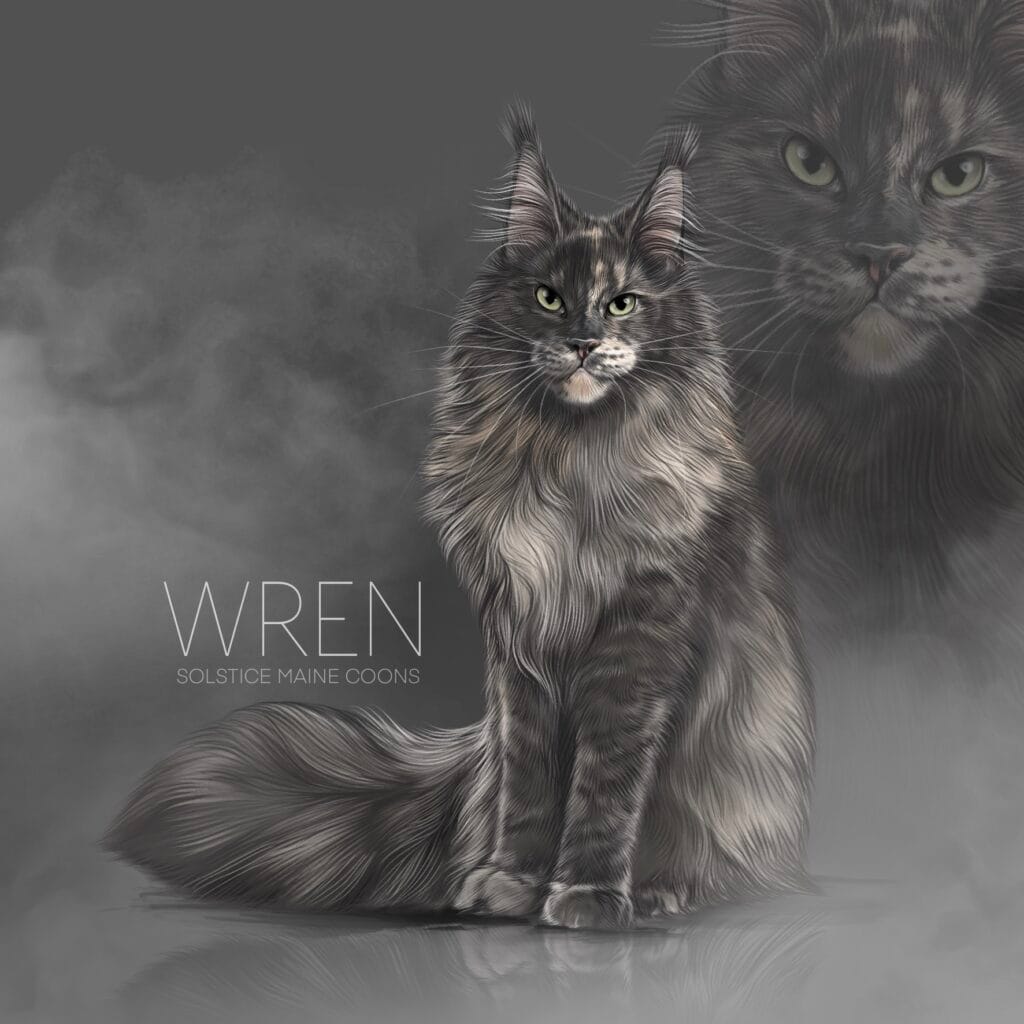
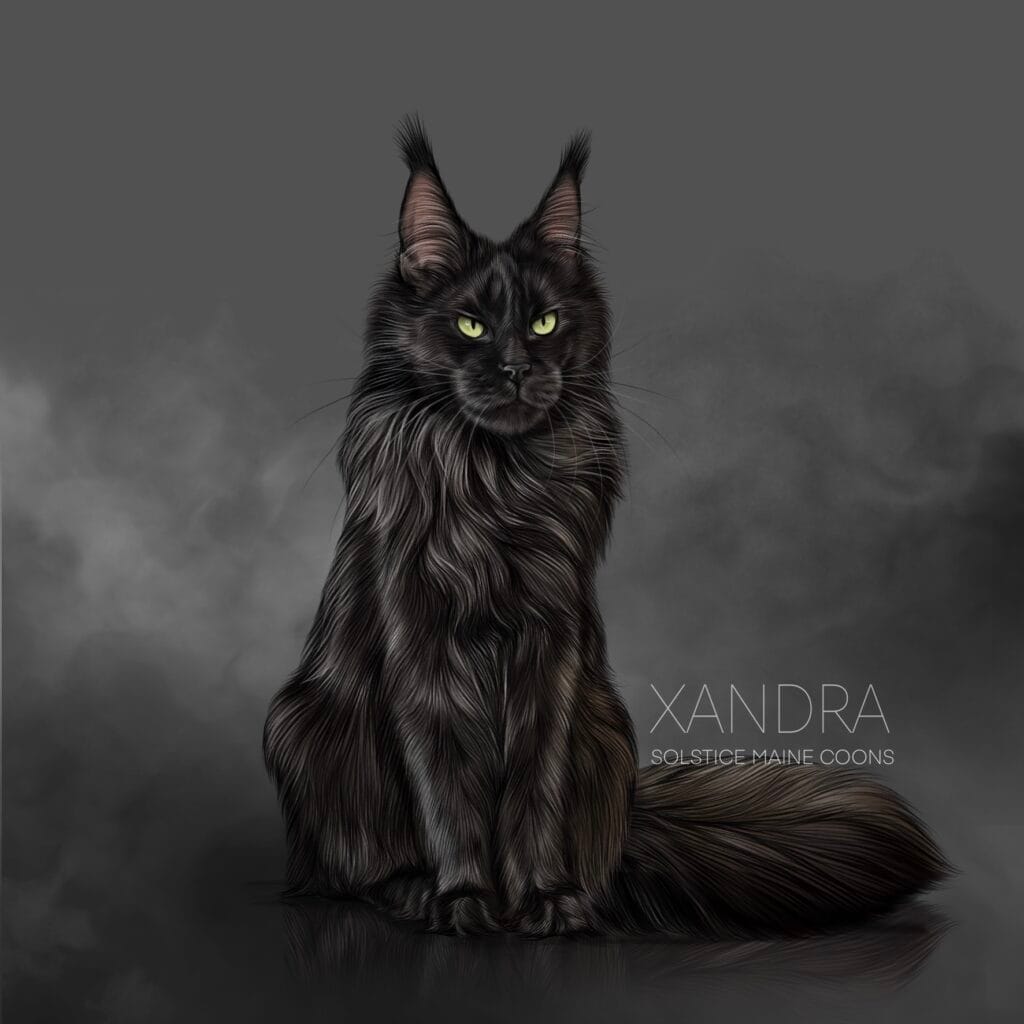
Our Sires & Queens
The foundation of our breeding program.
Our breeding cats are thoughtfully selected for health, temperament, structure, and adherence to the Maine Coon breed standard. Each sire and queen profile includes color, health testing, pedigree details, and personality notes.
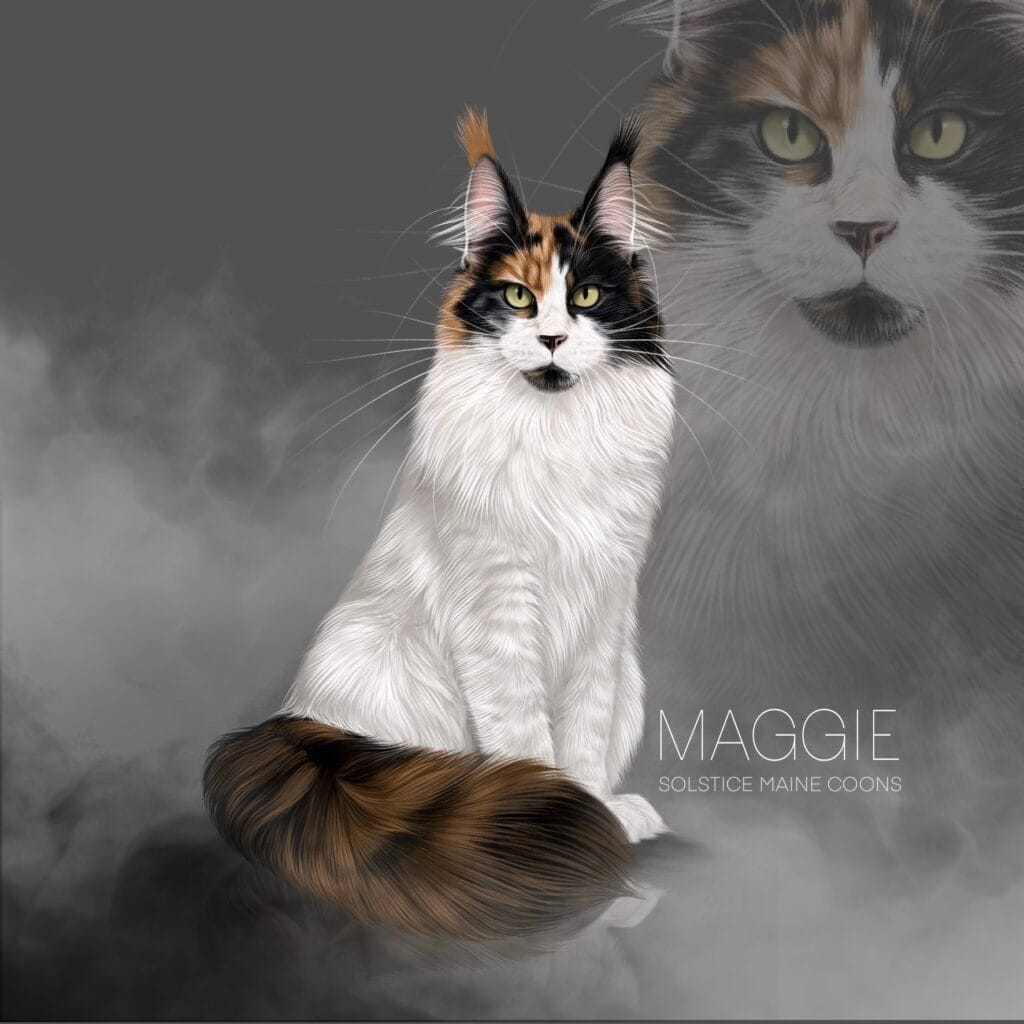
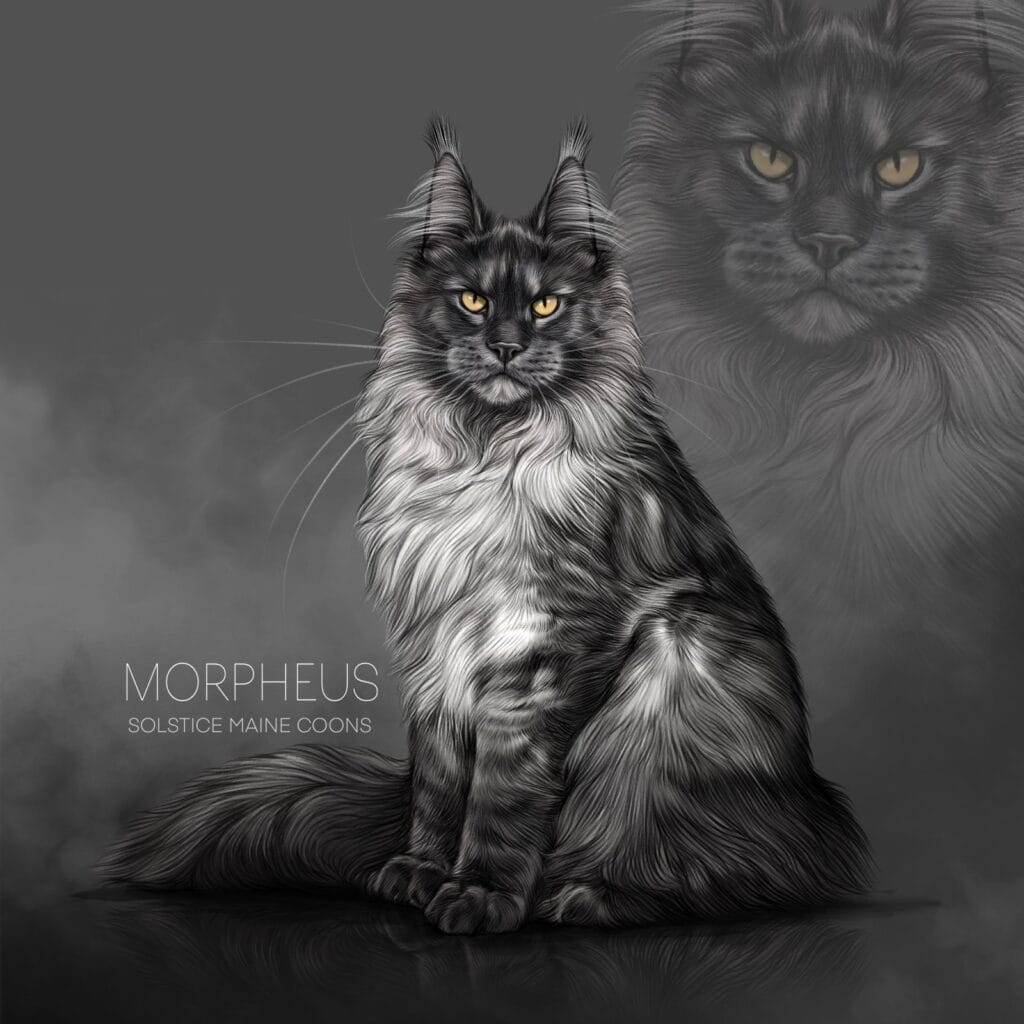
Stay connected
Get updates from Solstice Maine Coons
We share occasional updates on new litters, available kittens, and educational insights about Maine Coons. Select what you’d like to follow below.
Client stories
Trusted by Solstice families.
We are honored to stay connected with the families who welcome our kittens into their homes.
Trustindex verifies that the original source of the review is Google. We adopted a member of the cosmic chaos litter, and it's clear that she's a well socialized, confident, happy and healthy kitten. She's laying on my chest as i type this, and we couldn't be happier to have her in our family. We were kept updated the whole time with pictures, emails, and texts; and it's clear that these kittens are truly cared for from the care guides, supplies, and support theyre sent home with. Tiffany facetimed us the same day we expressed interest and was able to chat with us right away about the kittens, and stayed just as steady and available a support throughout the entire process. I highly reccomend Solstice Maine Coons if you want to know that your kitty was treated with love!Trustindex verifies that the original source of the review is Google. This is my first time getting a kitty from an experienced breeder. I recently lost my cat of 14 years and had gone back and forth about getting another. After going to Solstice’s website for the 100th time and looking at Sol, I decided to reach out. From the first time I reached out about Sol, to getting her home, Tiffany was amazing. She was so informal and made the process so easy! Sol (our kitty) is so sweet and has the best temperament. She was so calm riding in the car, she’s very affectionate and has no problem hanging out with our three children. By the second day home, we already had her outside harness training. It’s apparent Tiffany put lots of love and time into raising such a wonderful kittens. I’m so impressed by the socialization Sol has had. She didn’t shy away from any of the family and took right to our other cat in the home. Sol has already stolen our hearts and greatly softened the grief of losing Niklaus. We love her so much, she is such an amazing addition to our family. Cannot recommend Solstice Main Coons enough!Trustindex verifies that the original source of the review is Google. Working with Solstice Maine Coons was such a great experience from start to finish. Tiffany was incredibly kind, patient, and accommodating throughout the whole process. As a wheelchair user, I was worried about how I would bond and interact with my kitten, but Tiffany went above and beyond to make sure everything would be a good fit for me. One of the sweetest things she did was teach my kitten how to shoulder sit, which has made such a difference for me. It has helped me feel more connected to my kitten, and it is honestly one of my favorite things about him. You can tell Tiffany truly cares about her kittens and the families they are going to. I would absolutely recommend Solstice Maine Coons to anyone looking for a breeder who is caring, thoughtful, and truly dedicated to their cats.Trustindex verifies that the original source of the review is Google. If I could give Solstice Maine Coons (Tiffany & Stephanie) more than 5 stars, I would. This is my first time adopting a cat and they could not have made it an easier, more pleasurable experience. They consistently kept me posted throughout the process and I loved that Tiffany would send photos regularly ❤️ The amount of information provided on how to take care of my new kitty was greatly appreciated! And to top it all off, I got a gift bag with toys, kibble, bowl, and more! The kittens are well taken care of and very beautiful. My kitten got home and was so well behaved and confident. It just shows the love and care these ladies have for their cats. Thank you Tiffany & Stephanie! I love my kitten!!! I highly recommend adopting from Solstice Maine Coons. You won't be sorry 😁Trustindex verifies that the original source of the review is Google. We had an excellent experience with Solstice Maine Coons. Our kitten has an incredible personality—loving, gentle, and very well behaved. We’ve had many cats over the years, and this is honestly the best temperament we’ve ever experienced. It’s clear the kittens are raised with great care. Tiffany has also stayed in touch and been very attentive even after we brought our kitten home, which we really appreciate. We couldn’t be happier and would highly recommend Solstice Maine Coons.Trustindex verifies that the original source of the review is Google. We love our big boy Dookie Zookie Zeus King Bhai, he has the most beautiful jaw line, ears, and tail and not even 6 months old yet so strong and steady. His personality is chill, wants to hang out with the family and gets along with both of our cats. Love this big guy. Recommend Solstice Maine Coons 100%!Trustindex verifies that the original source of the review is Google. We received the sweet kitten. Tiffany was amazing and thoughtful, she took care of us and allowed us the opportunity to adopt Wednesday (formally known as Sparrow). Facilitating all the steps in adopting her and helping with setting up delivery. Wednesday just jump right into our laps with paws wide open, she’s amazingly a part of everything we do, she a goofy, sweet girl and we are so blessed. We tend to fight over who her favorite human is.Trustindex verifies that the original source of the review is Google. I am thankful for all the love and attention Solstice Maine Coons gives to the babies when they are little! Our little man is friendly and curious and commands attention! He is gentle when playing with the human hands even though he isn’t with our retired Solstice Maine Coons kitty. Both of them are healthy and social and it’s because of Tiffany’s love and dedication to the breed. Thanks Tiffany! 🥰Trustindex verifies that the original source of the review is Google. We had an absolutely wonderful experience with Solstice Maine Coons from start to finish. Communication with Tiffany was incredibly friendly, responsive, and helpful. Every question we had was answered quickly, and we always felt supported throughout the entire process. Their flexibility with pickup options made everything so much easier, and we truly appreciated the clear guidance to ensure we had everything we needed along the way. It was also a huge plus that our kitten came already neutered, and there were no delays in receiving his pedigree and papers. Our new kitten is healthy, well-socialized, and an absolute joy. Overall, this was a seamless, trustworthy, and genuinely positive experience (underscored by our vet who has assured us we received a perfect little fluff-ball). Highly recommend Solstice Maine Coons to anyone looking for a reputable breeder and an amazing kitten.Trustindex verifies that the original source of the review is Google. Solstice Cats and Tiffany, the owner, were amazing! She texted me and even face-timed with me to talk about the adoption process, the available kittens, and what to expect. She also explained her breeding model. She was a wealth of information and made me feel confident that I was in good hands. On visiting the kitten I picked out before picking her up, I got a chance to see my kitten’s sire and one of the other males. They were clean, well-cared for, as were the kittens. Everything was very professional! Since I brought my kitten home, Tiffany has been there to answer questions, provide additional information, help me get the kitten’s registration with TICA. She could not have been better! I would give 10 out 5 stars if I could!Google rating score: 5.0 of 5, based on 16 reviewsVerified by TrustindexTrustindex verified badge is the Universal Symbol of Trust. Only the greatest companies can get the verified badge who has a review score above 4.5, based on customer reviews over the past 12 months. Read more